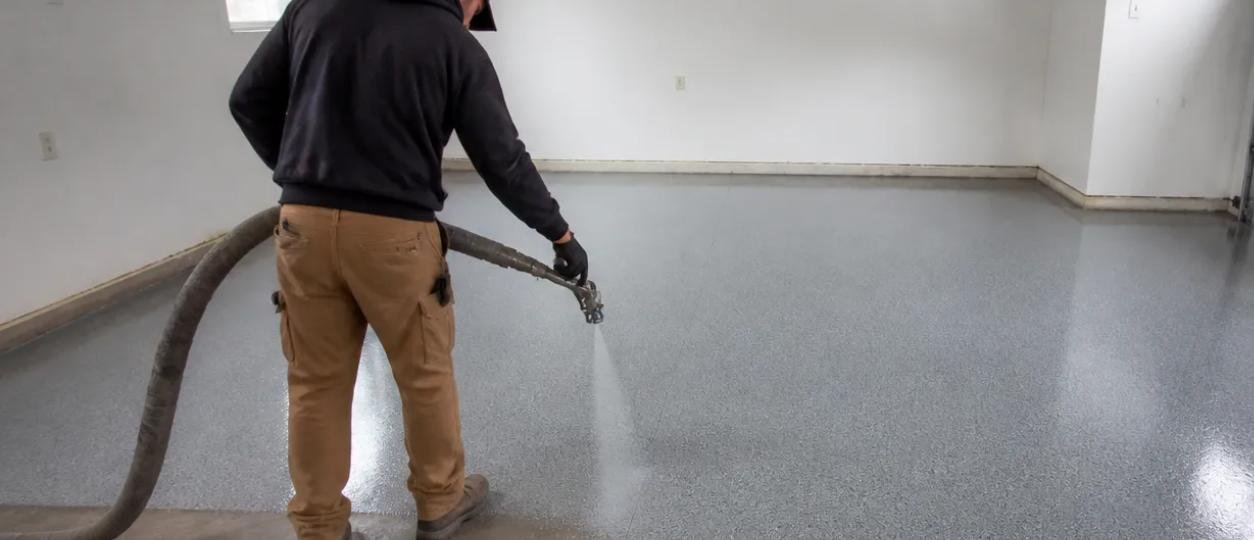
Concrete looks tough, but it soaks up water, oil, and stains over time. Without protection, driveways, patios, and floors can spot, fade, and wear faster than they should. Spartanburg Concrete Contractor seals concrete for homes and businesses near Spartanburg. A good sealer guards the surface from stains and weather, so your concrete stays cleaner and lasts longer.
A sealer adds a protective layer to concrete. It blocks water, oil, and dirt from soaking in, and it helps the surface stand up to weather and daily use.
Sealed concrete is easier to clean, resists stains, and often looks richer. Sealing is one of the simplest ways to protect the concrete you already have.
Different sealers give different looks and levels of protection.
We help you pick the right one for driveways, patios, floors, or decorative concrete.
Cleaning first is part of a good seal. A dirty slab won't hold the sealer.
Most concrete does well with a fresh seal every few years, depending on wear and weather.
Penetrating sealers keep the natural look. Film sealers can add a sheen and deepen the color.
Yes. As long as it is clean and in decent shape, older concrete can be sealed to protect it.
Sealing helps prevent water damage that leads to cracks, but existing cracks may need repair first.
Some film sealers can be slick when wet. We can add a non slip additive where needed.
Yes. We seal driveways, patios, floors, and decorative concrete across Spartanburg.
If you want your concrete to stay cleaner and last longer, Spartanburg Concrete Contractor can seal it the right way. We will check the surface and pick a sealer that fits.
Call +18643107041 to talk about your concrete sealing project at 1230 John B White Sr Blvd, Spartanburg, SC 29306. We serve Spartanburg and nearby communities throughout the Upstate South Carolina area, including Valley Falls, Woodruff, Wellford, Roebuck, Pauline, Fairforest, Southern Shops, Arcadia, Whitney, Mayo, Enoree, and Cowpens.
Unsealed concrete is porous. It can soak up water, oil, and stains, and it can wear faster outdoors. A sealer fills or coats the surface to slow that down. It does not make concrete stain-proof, but it can make cleanup easier and help protect the surface.
Some sealers soak in and protect from inside the pores. Others form a film on the surface and can change the look. Ask which type is right for your slab and how it will look and feel when it is done. Outdoor slabs and indoor floors have different needs.
Sealers bond best to a clean, dry surface. Ask what weather is needed and how long to wait before using the area.
An outdoor driveway faces rain, sun, and temperature swings. An indoor floor faces foot traffic, spills, and cleaning products. Each needs a different kind of sealer. Tell your installer where the slab is and what it is used for.
It depends on the product, the slab, the weather, and how much traffic the surface sees. Ask for the maker's guidance and plan a check each year. Signs it may be time to reseal include water soaking in instead of beading, dull patches, and new stains.
Oil, dirt, and old sealers can block a new one from working. Expect a thorough cleaning, and perhaps some surface prep, before sealing begins.
Sealers need dry conditions to cure. Ask what temperature and humidity the product needs and what the crew does if rain is in the forecast.
Get Started
Share a few details about your project, and we will help connect you with the right concrete solution for your home, business, or job site in the Spartanburg area.