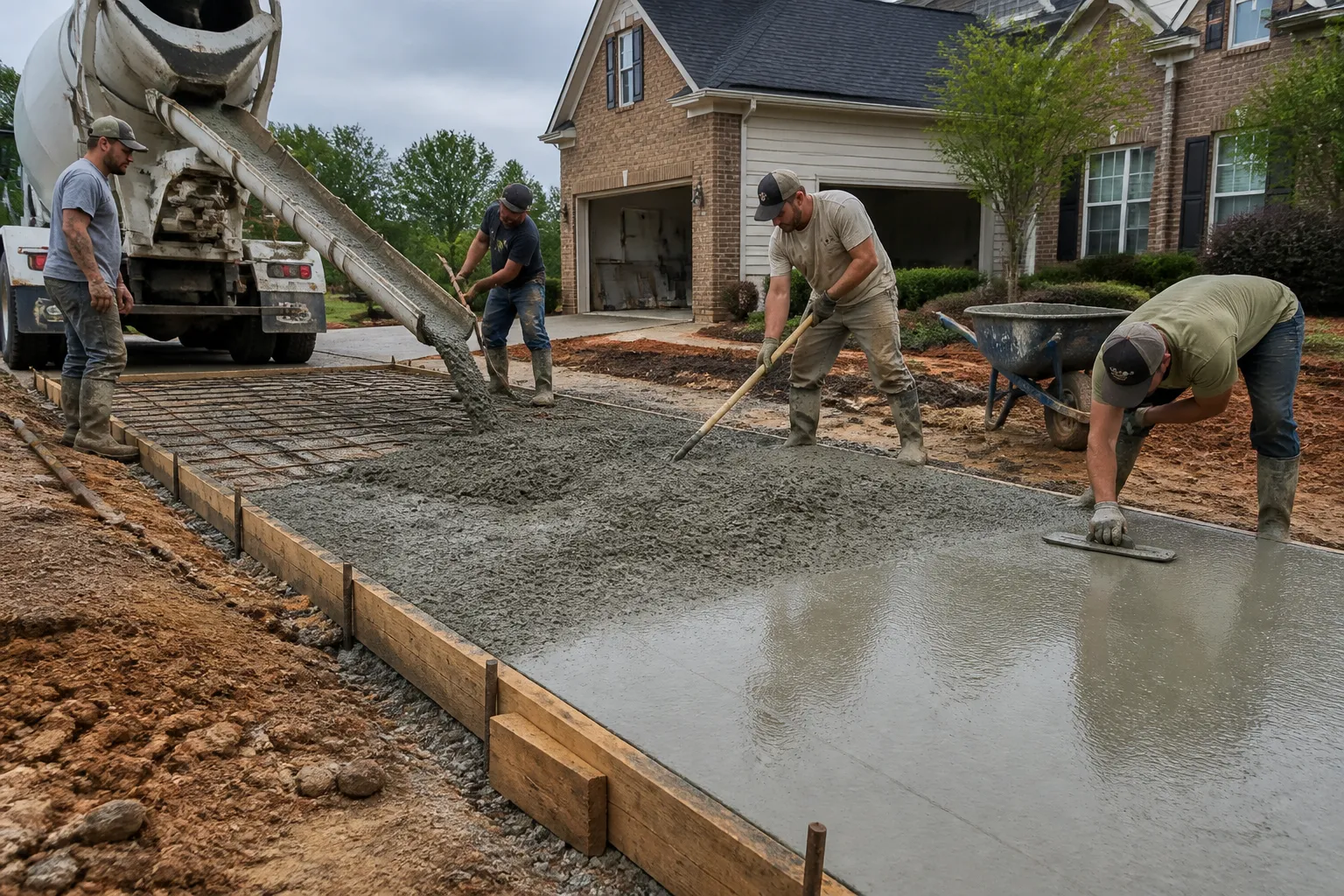
A parking lot is often the first thing customers see. It also takes the hardest wear on the property. Spartanburg Concrete Contractor helps small businesses plan lots that drain well, last long, and fit how people actually use them.
Start with how the lot will be used
Count the cars on a typical day and the busiest hour. Note delivery trucks, trailers, and any heavy equipment. A lot for a small office is built differently than one for a shop with trucks. Write down the heaviest vehicle and how often it visits.
Layout and flow
Plan where cars enter, turn, and park. Wide turning paths protect edges and corners. Clear walkways keep people out of the way of traffic. Think about trash pickup, snow or leaf piles, and fire lane needs, and check local rules for required spaces and access.
Drainage first
Water must leave the lot. Slope the surface toward drains or a safe edge so it does not pond near doors or the building. Standing water speeds up damage and creates hazards. Ask your contractor how water will be handled and where it will end up.
Base and thickness
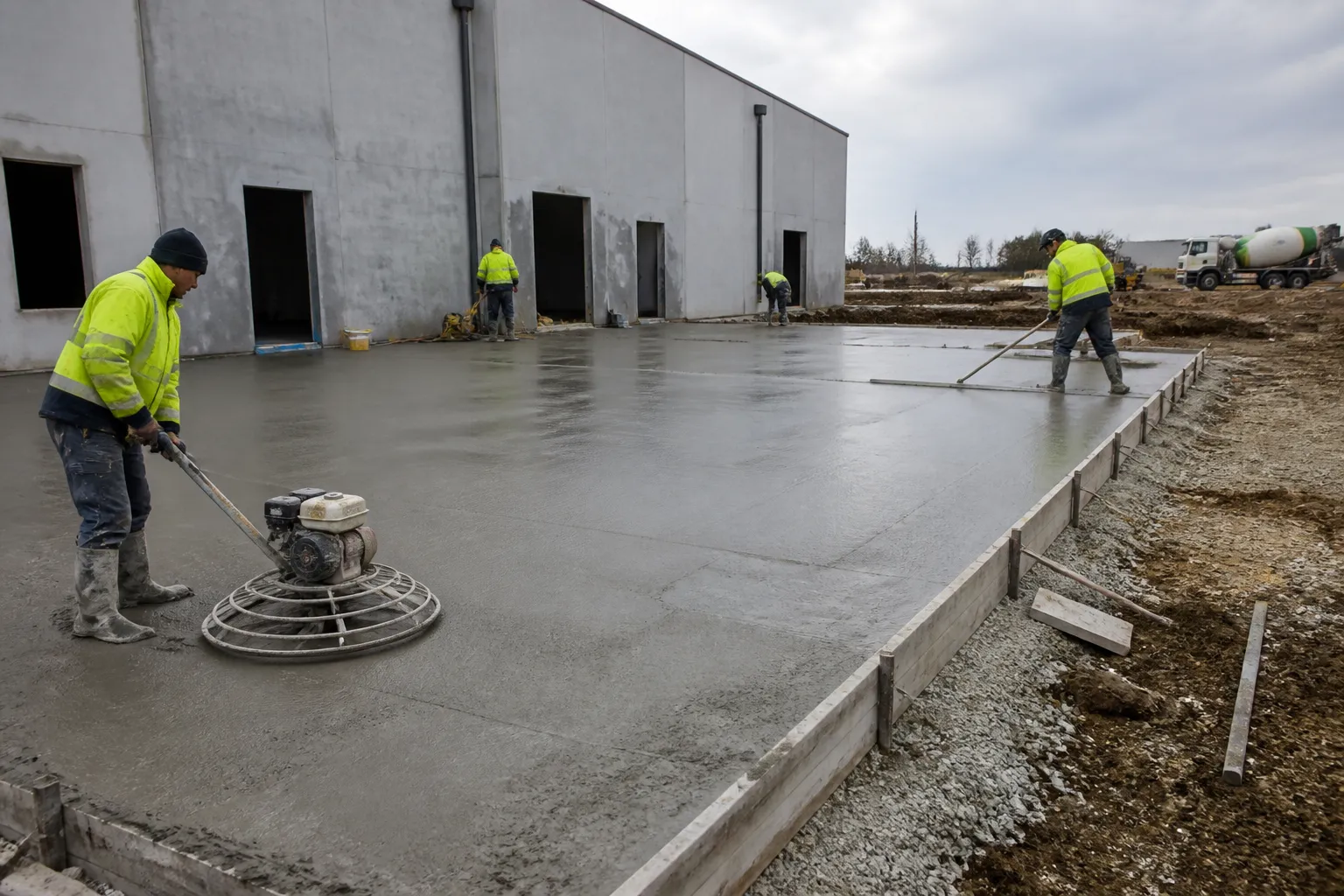
A firm, compacted base supports the concrete. Thickness and reinforcement depend on the loads. Heavier trucks need more. Share your vehicle list so the plan can match, and ask about the base material and how it will be tested.
Joints and cracking
Joints divide a big slab into panels so cracks follow planned lines. Ask where they will be and how they will be sealed. See our parking lot services and commercial concrete for what we handle.
Curbs, stops, and edges
Curbs guide water and traffic, and wheel stops protect walls and landscaping. Concrete curbing can be poured in place with the lot for a clean, solid look.
Phasing and downtime
A business cannot always close. Ask whether the lot can be done in sections so part stays open. Plan temporary parking and clear signs for customers.
Maintenance
Sweep often, clean spills, and seal cracks and joints early. Walk the lot each season and note new cracks or low spots. Concrete lasts a long time when small problems are fixed on time.
Common questions
Is concrete or asphalt better? It depends on the use and budget. Read our concrete versus asphalt guide.
Can lines be painted on concrete? Yes, after the surface has cured.
How long does it take? Ask for a written schedule.
Customers, deliveries, and flow
Picture a busy day. Where do customers park? Where do delivery trucks stop, and do they block anyone? A smooth path from the car to the door keeps people safe. Mark loading areas clearly and keep them separate from customer parking when you can.
Accessibility and signs
Accessible spaces, ramps, and signs follow rules that vary by place. Ask your contractor to review the layout and tell you what needs to be checked with local officials. Good planning avoids costly changes after the pour.
Lighting and safety
A well-lit lot is safer. Plan where poles and lights will go before the concrete is poured, so bases and conduit can be built in. Think about security cameras too, if they are part of your plan.
A parking lot checklist
- Number of spaces and the busiest hour
- Heaviest vehicles and how often they visit
- Where water enters and leaves
- Curbs, stops, and walkways
- Lighting, signs, and striping
Bring this list to the first meeting so the plan fits your business.
What to send us for a lot plan
A simple sketch with the property lines, the building, and the entrances is plenty to start. Note where water collects and where it should go. List vehicle types and the busiest time of day. Photos of the current surface help us see what works and what does not. We can then discuss layout, thickness, joints, and phasing.
Send a sketch of your property and we can talk through layout and options.