Sometimes old concrete is beyond repair. It may be cracked through, badly settled, or in the way of a new project. Spartanburg Concrete Contractor helps owners plan the removal and the new pour as one smooth job.
Decide if removal is the right step
Repair, leveling, and resurfacing work for some damage. Removal makes sense when the slab is broken in many places, sunk, or poorly built. Read why concrete cracks to understand the causes before you decide.
Check access and equipment
Crews may use saws, breakers, skid steers, and trucks. Look at gates, fences, trees, and tight corners. Tell your contractor about soft ground and underground lines. Good access cuts time and protects your yard.
Utilities and hidden hazards
Before digging or breaking, mark utilities. Call your local line-locating service so water, gas, power, and communication lines are marked. Sprinkler lines and irrigation controls should be noted too.
Disposal and cleanup
Broken concrete is heavy. Ask who hauls it, where it goes, and whether the price includes disposal. Also ask how the crew will protect lawns, driveways, and nearby slabs.
Fix the base
Removal exposes the ground below. Many slabs fail because of poor base or water. Ask how the base will be checked, repaired, and compacted before new concrete goes in. Learn about our removal services.
Plan the new pour
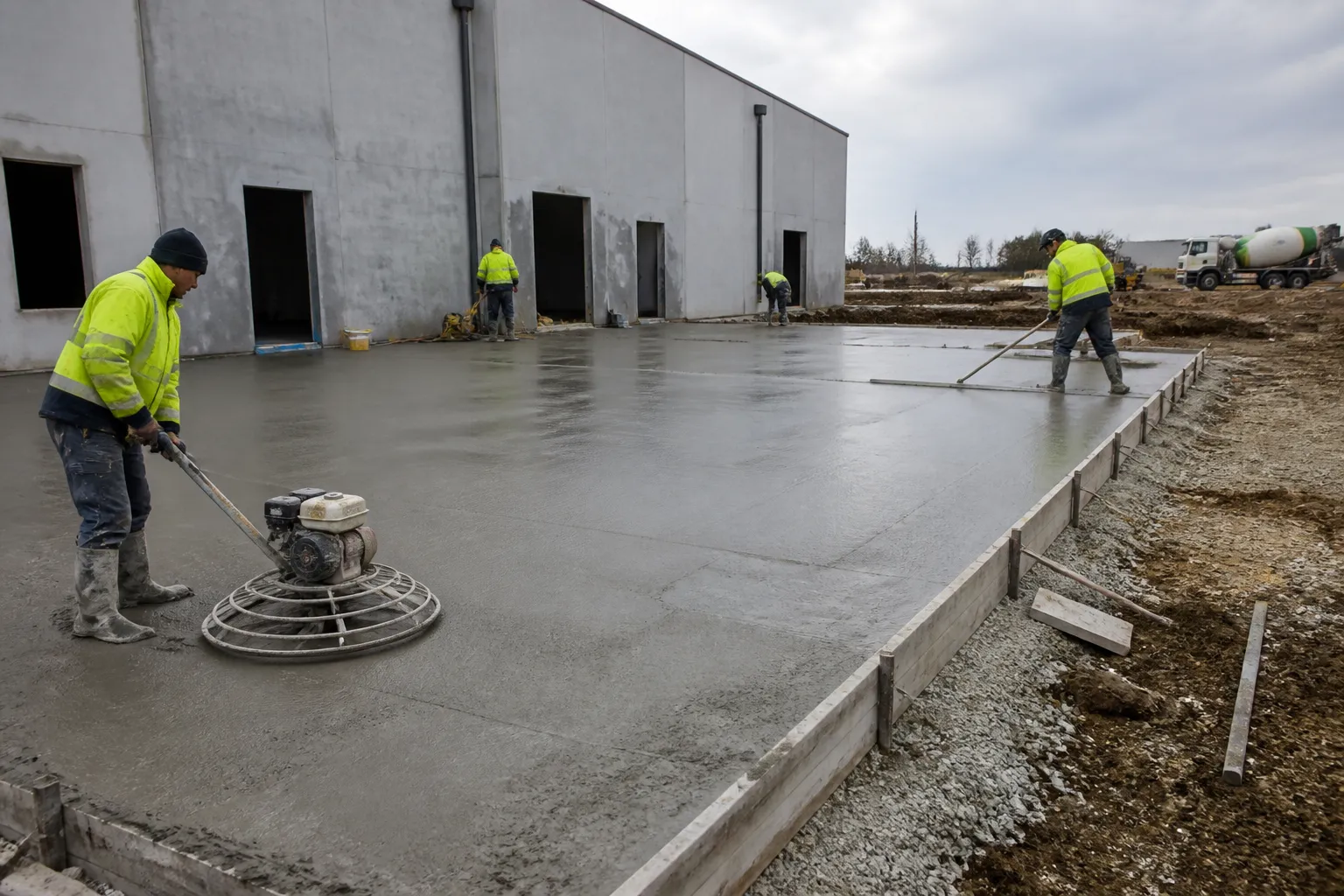
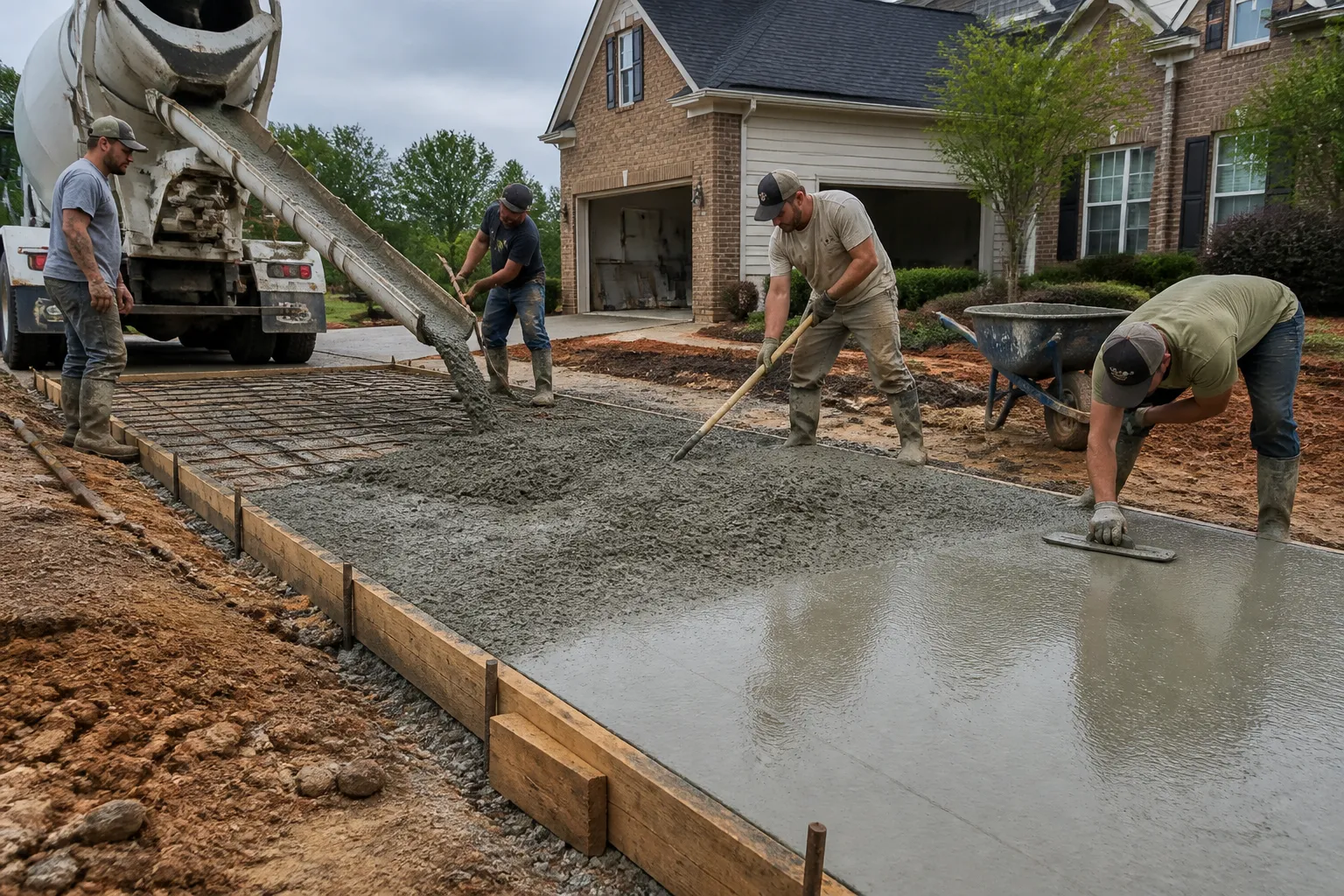
Use the chance to fix what did not work. Add drainage, change the shape, or widen a drive. Decide on finish, thickness, joints, and reinforcement. Our slab work and driveway work can follow right after removal.
Schedule and weather
Rain can turn a torn-up area into mud. Plan to remove and pour close together, and ask what happens if weather delays work. A written timeline helps.
Permits and rules
Some projects need a permit, and some neighborhoods have rules. Ask who handles approvals and what you must gather first.
Common questions
Can I keep part of the slab? Sometimes, with a clean saw cut.
How long is the area closed? It depends on size and cure. Ask for a date.
Will the new concrete match the old? Color may differ at first.
Think about what the area will become
If a patio will be replaced, decide whether to keep the same size or change it. If a driveway will be widened or re-routed, plan how it will meet the street and the garage. If a shed pad is coming, check that the new location drains well. Picturing the end result guides every choice.
Protecting trees and landscaping
Heavy equipment can damage roots, lawns, and beds. Ask how the crew will protect the plants you want to keep. Boards, fencing, and careful staging can make a big difference. Mark anything fragile before work begins.
Reuse and recycling
Old concrete can sometimes be crushed and reused as base material. Ask whether this is an option and how it affects the plan. Using good recycled base can be practical when it is clean and well compacted.
A removal checklist
- Mark utilities and irrigation lines
- Choose the path for equipment
- Decide what stays and what goes
- Plan the base repair and the new pour
- Set a written schedule
What to send us for a removal plan
Share photos of the area, a rough sketch with measurements, and a note about what comes next. Mention gates, trees, and any lines you know of. If you want a new pour, add details about size, finish, and slope. We can then outline removal, base work, and the schedule for the new concrete.
Send photos and a short note about what you want next, and we can plan the tear-out and the new work together.