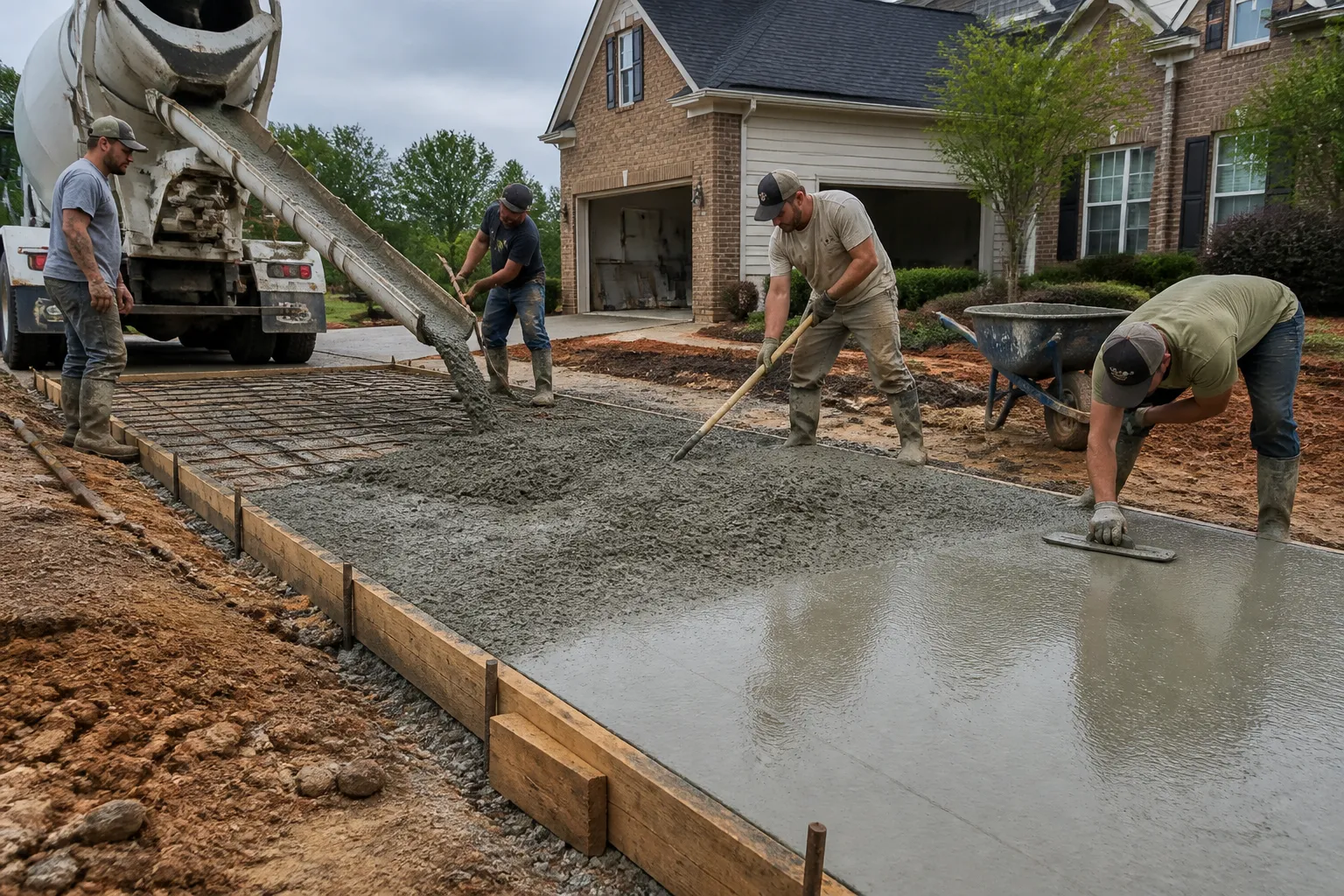
Planning a concrete project in Spartanburg is a smart move. Concrete lasts for decades, stands up to our hot summers, and adds real value to your home. But before you pour, it helps to know the local rules, the real costs, and how our clay soil and rainfall affect the finished job. This guide from Spartanburg Concrete Contractor walks you through permits, driveway and patio rules, drainage, stormwater, and 2026 price ranges for the Upstate. Use it as a starting point, then get a measured quote for your exact site.
We built this as a plain, honest reference for homeowners in Spartanburg and nearby towns. Rules can change and every lot is different, so always confirm the details with the city or county before you start. Phone numbers and offices are named below so you can check for yourself.
Do I need a permit for concrete work in Spartanburg?
The short answer is that it depends on where you live and what you are building. Spartanburg has two main sets of rules. If your home is inside the City of Spartanburg, the city handles permits. If you live in the county but outside city limits, Spartanburg County handles them. Some nearby towns have their own offices too. Always check which one covers your address first.
Inside the city, the rule is broad. The City of Spartanburg states that any work done on a residential property will require a residential building permit. That means even a driveway, sidewalk, or slab can need a permit and a quick review. You can confirm your project with the city Building Inspections Department at (864) 596-2041 before you start.
In the county, permits run through the Citizen Self Service online portal. A poured slab tied to a structure, like a garage floor or a shed base, usually needs a building permit. Flatwork like a plain patio may not, as long as it meets setback and coverage rules. If you are pouring new concrete slabs or concrete foundations, ask the county first.
Patios have their own rule of thumb. An uncovered, ground level patio under about 200 square feet is often exempt, but it still has to follow setback limits and any impervious surface or lot coverage rule that applies. Once you add a roof, raise the patio more than 30 inches off the ground, or go over the size limit, a permit is usually required. Adding a driveway that connects to a public road is a separate approval, which we cover next.
Permit fees for small residential jobs often run from about 100 to 500 dollars, and approval can take around two weeks. A licensed local contractor can pull permits for you and knows which office to call. When in doubt, ask before you pour. It is far cheaper than fixing a code problem later.
Spartanburg concrete driveway requirements
A new driveway is more than a slab of concrete. It connects to a public road, so it has rules meant to keep drainage and traffic safe. If your driveway ties into a county maintained road, you will likely need a driveway access permit from Spartanburg County Roads and Bridges. If it ties into a state road, the South Carolina Department of Transportation issues an encroachment permit instead. Your contractor can tell you which agency covers your street.
These permits look at where the driveway meets the road, how water flows in the ditch or gutter, and whether a culvert pipe is needed. The goal is to keep runoff moving and sight lines clear. Skipping this step can lead to fines or a driveway you have to tear out, so it is worth doing right.
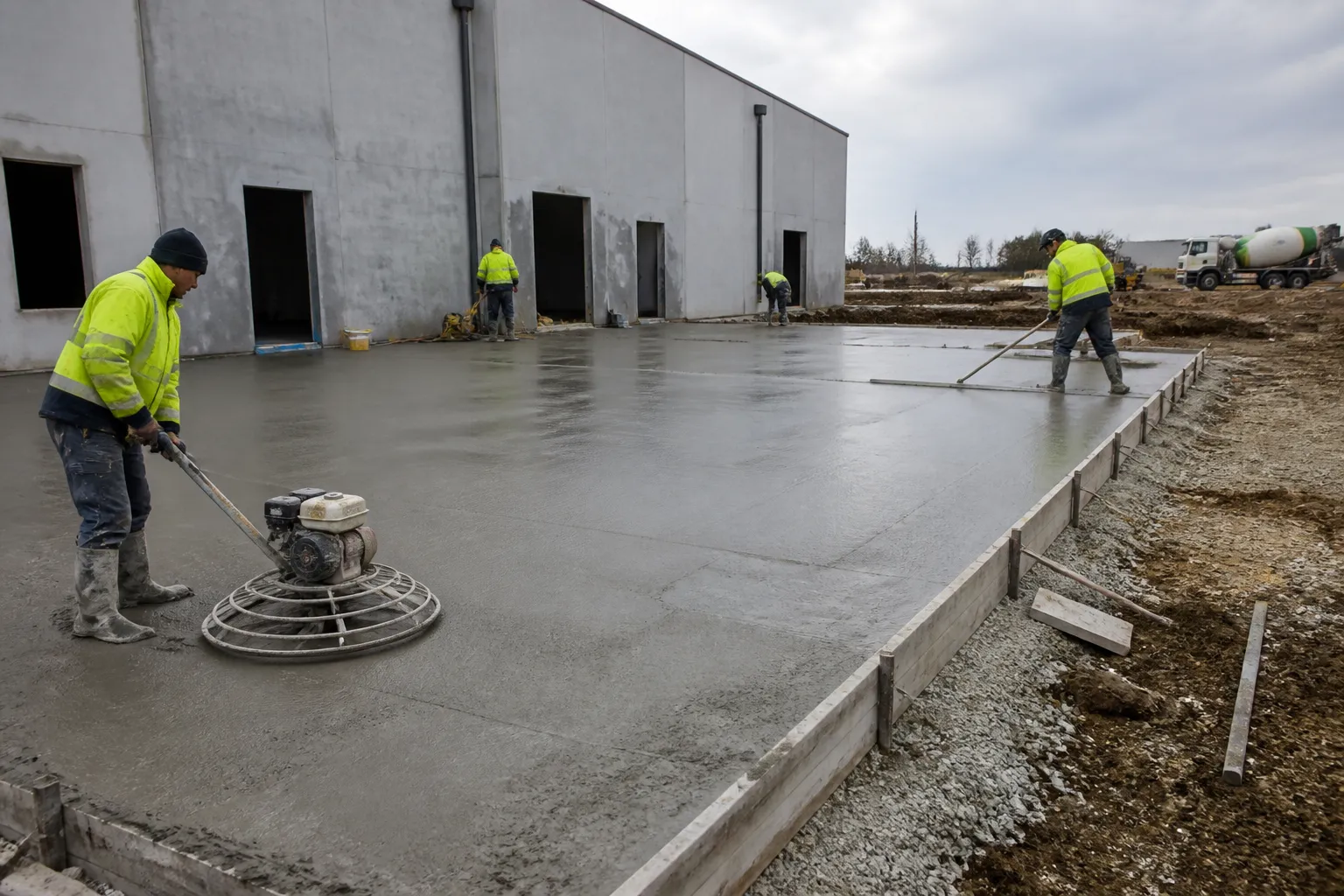
For the concrete itself, a home driveway is usually poured about four inches thick. If you park heavy trucks or an RV, five or six inches with steel reinforcement is smarter. A solid, well packed base under the slab matters just as much as the concrete. Wire mesh or rebar helps hold the slab together, and control joints give cracks a planned place to form.
Setbacks and width also come into play. Most driveways need to sit a set distance from the property line, and the apron where it meets the road may have a required shape. If you are replacing an old drive, you may need concrete removal first, and any damaged edges can call for driveway repair rather than a full rebuild.
Finish is the fun part. A plain broom finish is the budget friendly choice for a concrete driveway. If you want more curb appeal, exposed aggregate concrete, stamped concrete, or other decorative concrete finishes add texture and color. You can even edge the drive with concrete curbing for a clean, finished look.
Concrete patio and slab considerations
Patios and slabs are some of the most popular concrete projects for Spartanburg homes. A patio gives you a solid, low care spot for grilling, seating, or a hot tub. A slab can serve as a base for a shed, a garage, an air conditioner unit, or a future room addition. The right plan depends on how you will use the space and what sits on top of it.
Size and placement come first. Even when a small patio does not need a permit, it still has to respect setback lines and the amount of hard surface allowed on your lot. Plan where water will drain, and keep the slab sloped slightly away from your house so rain does not pool near the foundation. A good concrete patios crew will grade the area before pouring.
Thickness depends on the load. A basic patio or walkway is often four inches thick. A slab that holds heavier weight, like a workshop floor or a garage, may need to be thicker with rebar. If the slab supports a structure, it may count as a foundation, which brings stricter rules. Our concrete slabs and foundation services handle both the simple and the structural work.
Base prep and moisture control are easy to overlook but very important. A packed gravel base keeps the slab stable, and a vapor barrier under an indoor slab stops moisture from wicking up. Skipping these steps is a common cause of cracks and damp floors later.
Do not forget the pieces around the slab. Concrete steps make a raised patio safe and easy to reach. A concrete pool deck project turns the area around a pool into a slip aware, good looking surface. Thinking about these add ons early keeps the whole project flowing and saves money over piecemeal work.
How Spartanburg drainage affects concrete projects
Drainage is the hidden factor that decides how long your concrete lasts. Upstate South Carolina gets steady rain through the year, and much of our ground is red clay. Clay holds water, then swells and shrinks as it gets wet and dries out. That movement pushes on slabs from below. If water is allowed to collect under or beside your concrete, the base can wash out and the slab can settle or crack.
The fix starts with grading. Every slab should slope just enough to shed water toward a yard, a drain, or the street, never toward your home. A crew that knows local soil will pack the base well and may add gravel to help water move. Gutters and downspouts should carry roof water away from new concrete, not dump it right beside the slab.
Sloped lots need extra care. Many Spartanburg yards are not flat, and water runs downhill fast during a storm. Retaining walls can hold back soil and guide water so it does not undercut a driveway or patio. On steeper sites, this is often the difference between concrete that lasts and concrete that shifts.
If your yard has a low spot that stays wet, a French drain or a downspout extension can move that water away before it reaches your slab. Small drainage fixes like these are cheap insurance for a concrete surface you want to keep for decades.
Even good concrete can settle over time if the ground moves. When that happens, you do not always need a full replacement. Concrete leveling can lift a sunken slab back into place, which costs less than tearing it out. If the surface is worn but the slab is sound, concrete resurfacing or concrete grinding can refresh it. Around pools, pool deck resurfacing restores both looks and safety.
Sealing helps too. A quality sealer keeps water from soaking into the surface and slows freeze damage on the rare cold snap. Ask about concrete sealing as a final step to protect your investment against our wet weather.
Concrete and stormwater runoff
Every time you add concrete, you add what planners call impervious surface. That simply means a hard surface that rain cannot soak through. Water that used to sink into your lawn now runs off a driveway, patio, or slab. In a neighborhood full of hard surfaces, all that runoff adds up and can cause flooding, erosion, and pollution in local creeks. That is why Spartanburg pays close attention to stormwater.
The City of Spartanburg charges a stormwater fee to fund its drainage system, and Spartanburg County runs its own stormwater program with a design manual for larger projects. For a normal home patio or driveway, you will not need a stormwater permit. But your project still has to respect any lot coverage limit, which caps how much of your land can be covered by hard surfaces. Big projects that disturb a lot of ground can trigger a separate stormwater review.
You can plan concrete in a runoff friendly way. Keep hard surfaces only as large as you need, and direct water toward planted areas or a gravel border where it can soak in. Grading the site so water spreads out instead of racing off helps your neighbors and keeps your own base from washing out. A local crew can lay out concrete sidewalks and paths that connect your space without covering the whole yard.
Commercial projects face tighter rules. A concrete parking lots job or other commercial concrete work usually needs engineered drainage, catch basins, and a stormwater plan approved before the pour. If you own a business or rental property in Spartanburg, plan for this early, since approval takes time.
Managing runoff is not just a rule to follow. Done right, it protects your driveway, your foundation, and the streams we all share. It is one more reason to hire a contractor who understands local water flow.
How much does concrete cost in Spartanburg?
Concrete pricing in Spartanburg comes down to a few clear factors. The first is size. Most concrete is priced by the square foot, so a bigger project costs more overall, though the price per square foot often drops a little as the job grows. The second is thickness and reinforcement. A thicker slab with rebar uses more material and labor than a basic four inch pour.
Prep work is the next big factor. If a crew has to remove an old slab, grade a sloped lot, fix drainage, or haul in gravel, that adds to the bill. Hard to reach areas cost more too, since the crew may need a pump or extra labor to move concrete to the back of a property. The finish matters as well. A plain broom finish is the least expensive, while stamped and colored finishes cost more because they take extra steps and materials.
Here is a simple rule that saves many homeowners money. Repair is almost always cheaper than replacement. If your concrete has a few cracks or minor surface damage, concrete crack repair or general concrete repair can add years of life for a fraction of the cost of a new pour. A cracked but stable slab often does not need to be torn out at all.
It is also smart to get more than one quote and compare what each one includes. A very low bid sometimes skips base prep or a permit, which can cost you more down the road. Look at the whole scope of work, not just the bottom line.
The honest truth is that no online number can price your exact job. Two driveways of the same size can cost very different amounts based on the slope, the soil, the old surface, and the finish you choose. The only way to get a real price is to have someone measure your site and look at the conditions. Below, we share 2026 estimate ranges so you can plan a budget, but treat them as starting points, not final quotes.
Spartanburg Concrete Cost & Project Data — 2026
The ranges below reflect typical 2026 pricing for residential concrete work in the Spartanburg and Upstate area. They assume normal access and a standard base. Your real price can land higher or lower based on site prep, removal, reinforcement, finish, and how far concrete has to travel on your property. Use these as a planning guide, then ask for a measured quote.
| Project | Typical size | 2026 estimate |
|---|---|---|
| 20 by 20 concrete patio | 400 sq ft | 2,400 to 4,500 dollars |
| 2 car driveway | 400 to 600 sq ft | 3,500 to 7,000 dollars |
| Concrete slab | 5 to 9 dollars per sq ft | 900 to 6,500 dollars |
| Stamped patio | 400 sq ft | 4,800 to 8,000 dollars |
| Driveway replacement | 2 car drive | 5,000 to 10,000 dollars or more |
| Concrete removal | per sq ft | 2 to 6 dollars per sq ft |
20 by 20 concrete patio
A 20 by 20 patio is 400 square feet, a common size for seating and a grill. A plain broom finish patio in this size usually runs about 2,400 to 4,500 dollars. The price climbs if the site needs grading or if you add a border or color. This is one of the best value upgrades for outdoor living. See our concrete patios service for finish options.
2 car driveway
A standard two car driveway is roughly 400 to 600 square feet. A new four inch concrete driveway in this range often costs about 3,500 to 7,000 dollars. Thicker concrete for heavy vehicles, a longer drive, or a steep slope pushes the number up. A driveway access permit and any culvert work are extra.
Concrete slab
Slab pricing depends on size and use. A basic slab runs about 5 to 9 dollars per square foot. A 12 by 12 shed slab might cost around 900 to 1,600 dollars, while a 24 by 24 garage style slab can run about 3,500 to 6,500 dollars with reinforcement. Indoor slabs that need a vapor barrier cost a bit more. Our concrete slabs service covers both small and structural pours.
Stamped patio
Stamped concrete costs more than plain because of the pattern work and color. A 400 square foot stamped patio often runs about 4,800 to 8,000 dollars, depending on the pattern and number of colors. The look can mimic stone, brick, or slate for less than the cost of real pavers. Explore designs on our stamped concrete page.
Driveway replacement
Replacing a driveway means two jobs in one, removing the old surface and pouring the new one. For a typical two car drive, plan for about 5,000 to 10,000 dollars or more, since removal, hauling, and fresh base prep all add cost. If the old drive is only cracked in spots, ask whether repair or resurfacing could save you money first.
Concrete removal
Tear out and haul away usually runs about 2 to 6 dollars per square foot. Thickness, steel reinforcement, and tight access all raise the price, and small jobs may have a minimum fee. Removing a 400 square foot slab might cost roughly 800 to 2,400 dollars. Our concrete removal service handles demolition and clean haul off so your new project starts on a fresh base.
A few things can change any of these numbers. Poor drainage or soft clay soil may call for extra base work. Decorative finishes, deep footings, and reinforcement add cost. Distance from the truck to the pour site can mean renting a pump. And material prices shift over time, so a quote is only firm once a contractor sees the site. The upside is that concrete is a long term investment. Spread the cost over 20 or 30 years of use, and it is one of the most affordable surfaces you can choose.
Driveway vs. concrete slab vs. patio: what should you build?
Sometimes the hardest part is deciding which project you actually need. The three most common choices, a driveway, a slab, and a patio, each solve a different problem. Matching the project to your goal keeps you from overspending or building the wrong thing.
Choose a driveway when your main goal is parking and access. A driveway carries the weight of vehicles, so it needs the right thickness, a strong base, and a proper tie in to the road. It also does the most for curb appeal and resale. If your current drive is cracked or stained, a fresh concrete driveways project makes the whole front of your home look newer.
Choose a slab when you need a flat, hard base for something else. A shed, a workshop, a carport, an outdoor kitchen, or an air conditioner all sit better on a slab. If the slab will support a building, it may need to be built as a foundation with deeper edges and more steel. Concrete slabs are the workhorse of home projects, quiet but essential.
Choose a patio when you want usable outdoor living space. A patio is about comfort and looks more than load, so you have more freedom with shape, color, and finish. Concrete patios pair well with steps, seating walls, and fire pit areas, and they cost less to maintain than wood decks.
Do not forget indoor concrete. If you are finishing a basement, garage, or shop, a smooth concrete flooring surface or a tough epoxy flooring coating can turn a rough slab into a clean room. The right answer is often a mix. Many homeowners pour a driveway and a patio in the same project to save on setup costs. A local contractor can help you weigh the options and stage the work to fit your budget.
Best practices for a concrete project that lasts
A great concrete job is decided before the truck arrives. A few smart habits protect your money and your finished surface for years.
Start with the base. Most concrete failures trace back to weak base prep, not bad concrete. Make sure your contractor packs the ground, adds gravel where needed, and grades for drainage. On tricky lots, ask how they will move concrete to the pour area. Hard to reach yards may need concrete pumping to place the mix cleanly without tearing up your landscaping.
Plan the finish early. Decide up front whether you want a plain, stamped, or decorative look, because some choices must be made while the concrete is wet. If you like color and pattern, ask about concrete staining and decorative options during the quote, not after the pour.
Protect the surface once it cures. Sealing guards against stains and water. For garage and shop floors, a coating adds a tough, good looking layer that wipes clean. Options range from concrete polishing for a smooth, low glare shine to epoxy and ceramic coating for extra protection. Business owners often choose commercial floor coating for showrooms and shops that see heavy foot traffic.
Finally, keep up with small repairs. Seal cracks when they are small, clean up oil and stains, and reseal every few years. A little upkeep goes a long way in our wet climate. When you do need help, a local crew can handle everything from a small patch to a full pour.
Common questions
Do I always need a permit for a concrete patio in Spartanburg? Not always. A small, uncovered, ground level patio is often exempt in the county, but it still must meet setback and coverage rules. Inside the city, check with Building Inspections first, since city rules are broad. When unsure, call before you pour.
Who pulls the permit, me or the contractor? A licensed local contractor can pull permits for you and knows which office handles your address. This is one reason to hire a pro who works in Spartanburg every day.
How long does a concrete project take? Many home pours happen in a day once prep is done. Curing takes longer. You can usually walk on new concrete in about a day and drive on it in about a week.
Is concrete a good choice for our climate? Yes. With the right base, drainage, and sealing, concrete handles Upstate heat and rain very well and lasts for decades.
Plan your Spartanburg concrete project
Every lot and budget is different, so the best next step is a measured quote. Spartanburg Concrete Contractor can look at your site, talk through permits and drainage, and give you a clear price.
Call +18643107041 to get started. We are at 1230 John B White Sr Blvd, Spartanburg, SC 29306, and we serve Spartanburg and nearby communities across Upstate South Carolina.
Related links
- Concrete Repair
- Concrete Driveways
- Concrete Patios
- Roebuck, SC
- Pauline, SC
- Fairforest, SC
- How Much Does a Concrete Driveway Cost in Spartanburg, SC?
- Concrete Retaining Walls: Planning, Drainage, and Care
- Concrete Steps: Repair, Replace, or Rebuild?
Questions about this topic? Contact Spartanburg Concrete Contractor.